
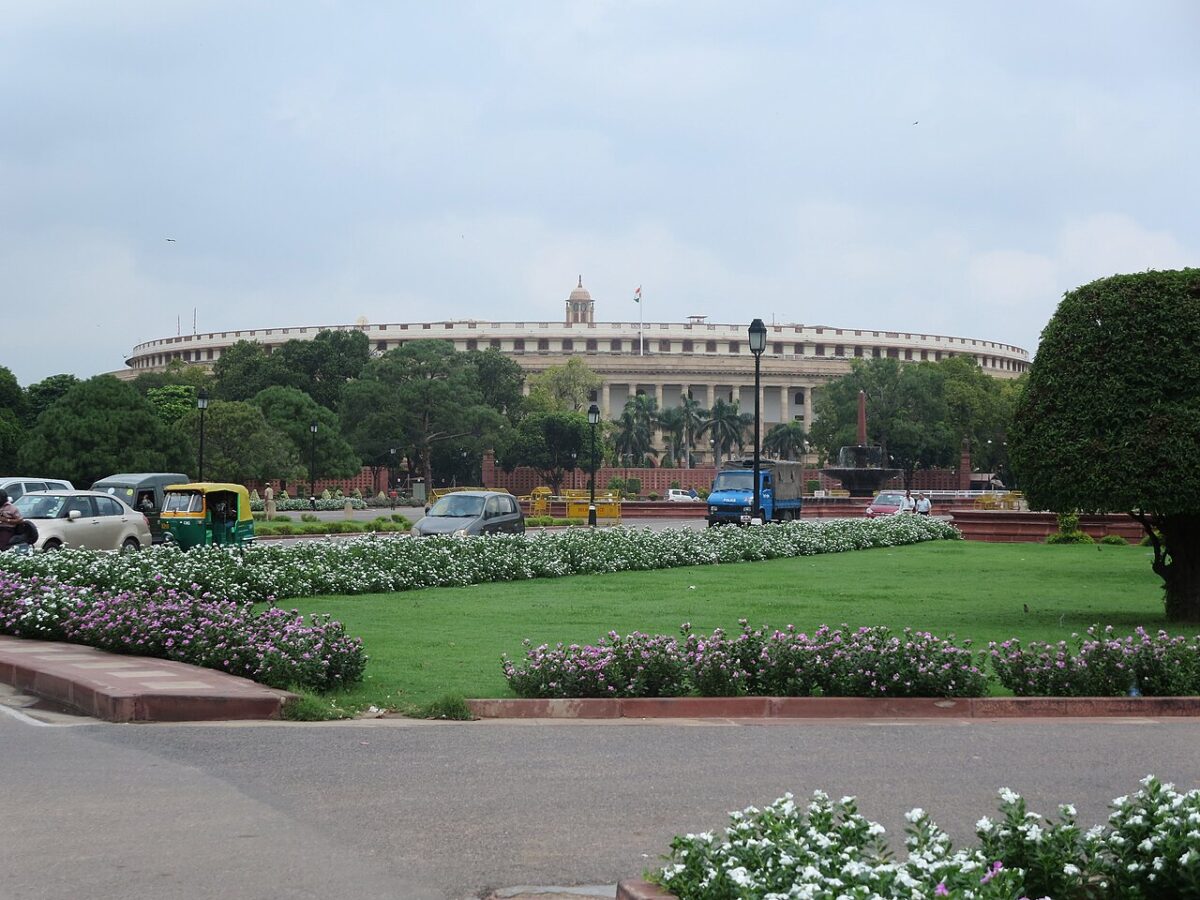
The Union Cabinet on Friday, November 27, cleared a revised delimitation bill that would raise the number of Lok Sabha seats in every state by 50% and freeze each state’s share of the House until 2051, Scroll and the news agency ANI reported. The government has not yet made the text public. Parliament reconvenes for a special sitting on Monday, November 30, seven months after the last attempt to redraw the Lok Sabha was voted down.
For Kerala, a rise of half in every state means 30 seats in place of the present 20. Union Home Minister Amit Shah gave the Lok Sabha that figure on April 16, telling the House that Kerala’s share of an 816-member Lok Sabha would stay at about 3.67%, against 3.68% today, according to the Press Information Bureau.
What the delimitation bill means for Kerala’s 20 seats
The difference lies in the formula. The bills introduced in April would have allotted seats strictly in proportion to population, on the basis of the 2011 census. PRS Legislative Research worked out what that would mean: Kerala would drop to 15 seats if the House kept its present size, and reach only 22, or 2.71% of the House, even if it grew by half. Tamil Nadu would fall from 39 seats to 32 on the same reckoning, while Uttar Pradesh would rise from 80 to 89.
Each state’s seat count has been frozen on the 1971 census since a constitutional amendment in 1976, and the 84th Amendment of 2001 extended that freeze until the first census after 2026. PRS describes the freeze as a measure to encourage states to stabilise their populations. Opposition parties have argued that seats redrawn on newer figures would favour northern states, since the southern states did more to slow population growth.
How the April bills failed
The government introduced three bills on April 16: the Constitution (131st Amendment) Bill, the Delimitation Bill and the Union Territories Laws (Amendment) Bill. The constitutional amendment needed a two-thirds majority. On April 17, 298 MPs voted for it and 230 against. With 528 members present, it needed 352 votes. The government then withdrew the other two bills, and PRS now lists the Delimitation Bill as infructuous.
The package was tied to the 2023 law that reserves a third of the seats in the Lok Sabha and state Assemblies for women. That law brings the quota in only after a delimitation based on the first census held after it took effect. With the reference date of the current census set at March 1, 2027, PRS noted that a delimitation on those figures was unlikely to be completed before the 2029 Lok Sabha election.
The government’s case
In April, Shah told the House that no state would lose its relative strength. The southern states’ 129 MPs would become 195 and keep about 24% of the seats, he said, and nothing would change before 2029, with every election until then held on the existing seats. Prime Minister Narendra Modi, in a signed article published on November 26, said the April defeat “should fill our hearts with shame”, The News Minute reported. Parliamentary Affairs Minister Kiren Rijiju said on Friday that details of the bills to be taken up would be shared later.
The Opposition’s case
Congress general secretary K C Venugopal said the INDIA bloc and other Opposition parties would meet at 11.30 am on Saturday to settle their strategy. He accused the Prime Minister and the Home Minister of setting “a big trap against the people of India”. His party colleague Jairam Ramesh has called the majority the government is seeking “super-tainted”, saying it rests on defections and mergers.
CPI MP P Sandosh said his party backed women’s reservation but could not accept the bill in its present form, arguing that what he called a “50 per cent mechanical increase in seats” would further hurt the southern states, Outlook reported. CPI(M) MP John Brittas said the mergers and defections of recent months seemed aimed at manufacturing a majority for delimitation under the cover of women’s reservation.
Speaking in Thiruvananthapuram on Friday, Congress leader Shashi Tharoor criticised the DMK for its reported willingness to back a proportional increase. “This proportional increase argument is a very specious one,” he said. He compared it to a managing director and a driver who both receive a 50% raise: the ratio between their pay stays the same, but the managing director ends up with far more to spend.
Shifting numbers in the Lok Sabha
The arithmetic has changed since April. In June, 20 of the Trinamool Congress’s 28 Lok Sabha MPs announced a merger with the Nationalist Citizens Party of India and now support the NDA, and six of the nine Shiv Sena (UBT) MPs joined the Eknath Shinde-led Shiv Sena. The NDA has about 320 members in the Lok Sabha, and the government is also looking to the DMK’s 22 MPs, the eight of the NCP (Sharadchandra Pawar) and four from the YSR Congress Party.
DMK president M K Stalin said on Friday that Tamil Nadu’s share of seats must not fall below its current 7.18%, and that the proportions fixed on the 1971 census must stay unchanged for another 25 years. Scroll noted that the bill cleared by the Cabinet appeared to meet both demands. The NCP (SP) has issued a three-line whip asking its Lok Sabha MPs to attend from November 30 to December 4.
What happens next
The Lok Sabha meets on Monday, November 30, and the Rajya Sabha on Wednesday, December 2, and both Houses are expected to finish by December 3. Bulletins issued by the two secretariats say there will be no Question Hour, Zero Hour or private members’ business during the sitting. A constitutional amendment will again need a two-thirds majority of the members present and voting.
Also read: Kerala Assembly to meet from November 30 for nine-day session on bills