
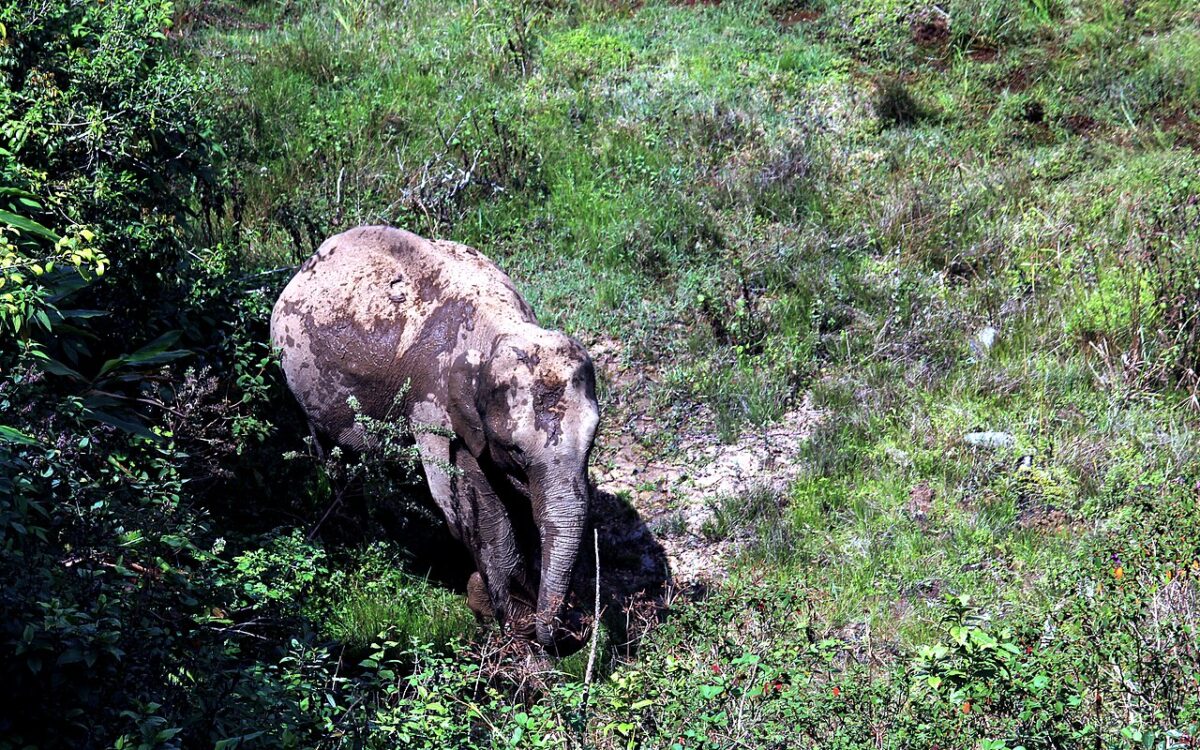
Kerala’s Forest Department will use seismic sensors, thermal imaging drones and AI cameras to track wild elephants that have been straying into farms and homes at Vadasserikkara in Pathanamthitta district. Forest Minister Shibu Baby John announced the plan on Saturday, November 21, Metro Vaartha reported. The move followed protests by residents over the herds.
The minister said the technology had been tested and found effective, and that steps had been taken to deploy it immediately, Vartha Bharati reported. No date for installation or number of devices has been announced.
How the seismic sensors detect elephants
The seismic sensors work on a system similar to the one used to detect earthquakes, both reports said. Each sensor covers a radius of one kilometer. Once installed along the forest fringe, it will alert officials when an elephant comes within that range, so staff can follow the animal’s movement.
The sensors pick up ground vibrations caused by the animals, Onmanorama reported. Its report described the affected area as Ranni, where herds have been straying into farmland, houses and residential areas. Metro Vaartha and Vartha Bharati said the elephants pose a threat to lives.
Thermal drones and AI cameras at mapped entry points
The Forest Department already uses drones, but they lack thermal imaging, which has limited their accuracy, according to the reports. Thermal drones can pick out animals by their body heat, which makes them useful at night and in thick cover. Onmanorama said the new drones would add aerial surveillance to the network of ground sensors.
The department has mapped the routes elephants use to enter and leave the forest in two areas. AI cameras and AI-based deterrent systems will be set up at those points, the minister said, according to Vartha Bharati and Metro Vaartha.
Fences, watchers and response teams
The technology will be backed by measures on the ground, Onmanorama reported. An eight-kilometer stretch of single-strand solar fencing will be upgraded to a five-strand system. The department will also plant bio-fences of citrus and turmeric with local farmers.
Trained watchers will be posted at key corridors that forest officials identified through scientific assessments. They will also help repair solar fences damaged by the herds. More Rapid Response Team members and forest staff will be deployed, and local youth will be trained to drive stray elephants back into the forest. The police and the fire and rescue services will work with forest staff.
The minister cautioned against turning the issue into a political fight and called for action across party lines, Onmanorama said. He asked the District Collector to convene an all-party meeting and directed that the solar fence at the Adukkakuzhi teak plantation be dismantled. Anto Antony, MP, and Pazhakulam Madhu, MLA, also addressed the gathering.
What residents can expect
For families living next to the forest, the sensors should mean earlier warning of elephants approaching settlements once the network is running. Until then, residents in affected areas should follow alerts from local forest officials, avoid forest edges after dark and report sightings to the nearest forest range office.
Also read: Sabarimala spot booking stays at Nilakkal, Travancore Devaswom Board says